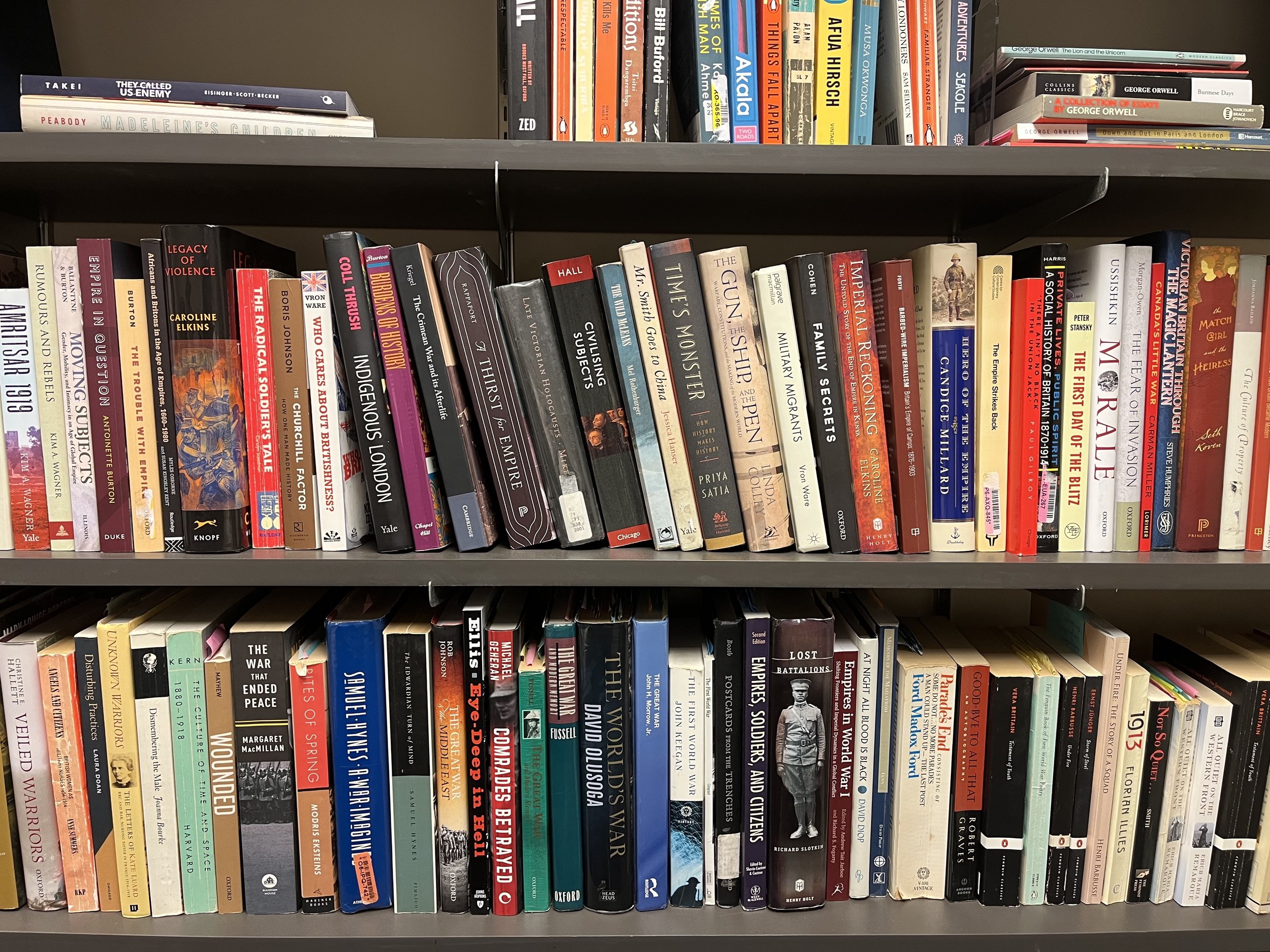
Read more about the classes I teach here.
-
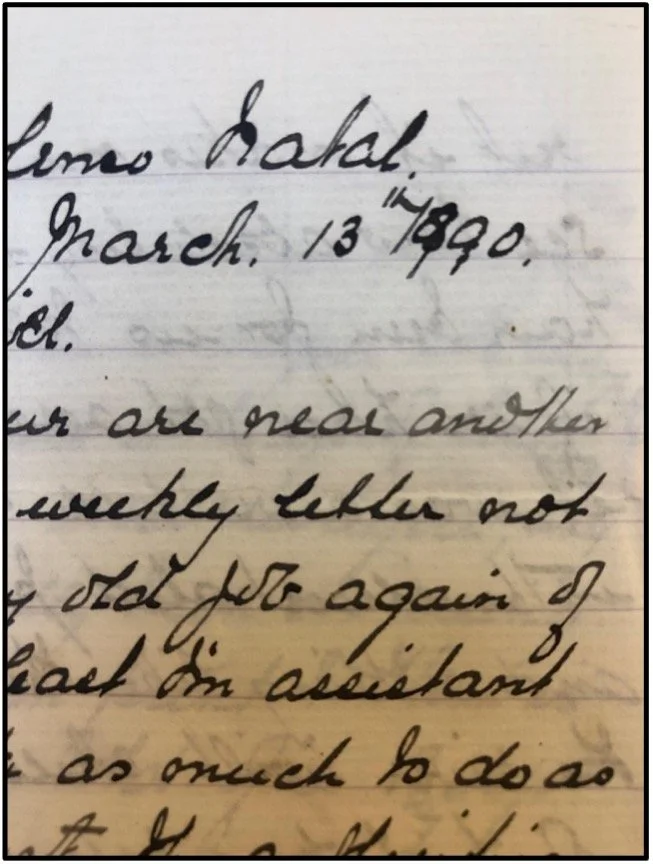
First Year Seminar: Foundations of Historical Analysis
History is a way to be, to think, and to move through the world. In this small class, we will explore what is means to do history, and to be a historian. Thinking historically is a skill to learn and then practice over and over again, and it is one that you will use throughout college, yes. More importantly though, it is one you will use for the rest of your life, no matter what your future holds. Thinking historically does not mean memorizing long lists of dates and names; nor does it mean repeating old adages about the past repeating itself.
Thinking historically means critically responding to information, remaining open to changing your mind, and understanding the powerful roles that narrative, storytelling, and human experience play in how we make sense of the world. Thinking historically means understanding the past not because it will tell you anything about the present or the future, but because it will prepare you to engage thoughtfully in the present and the future. Over the course of this semester, you will practice and build this muscle as you become a historian in your own right – we will focus on methods and skills this semester, but will do so by zooming in on various moments of encounter and migration across time.
AT ISU, HIS 100.
-
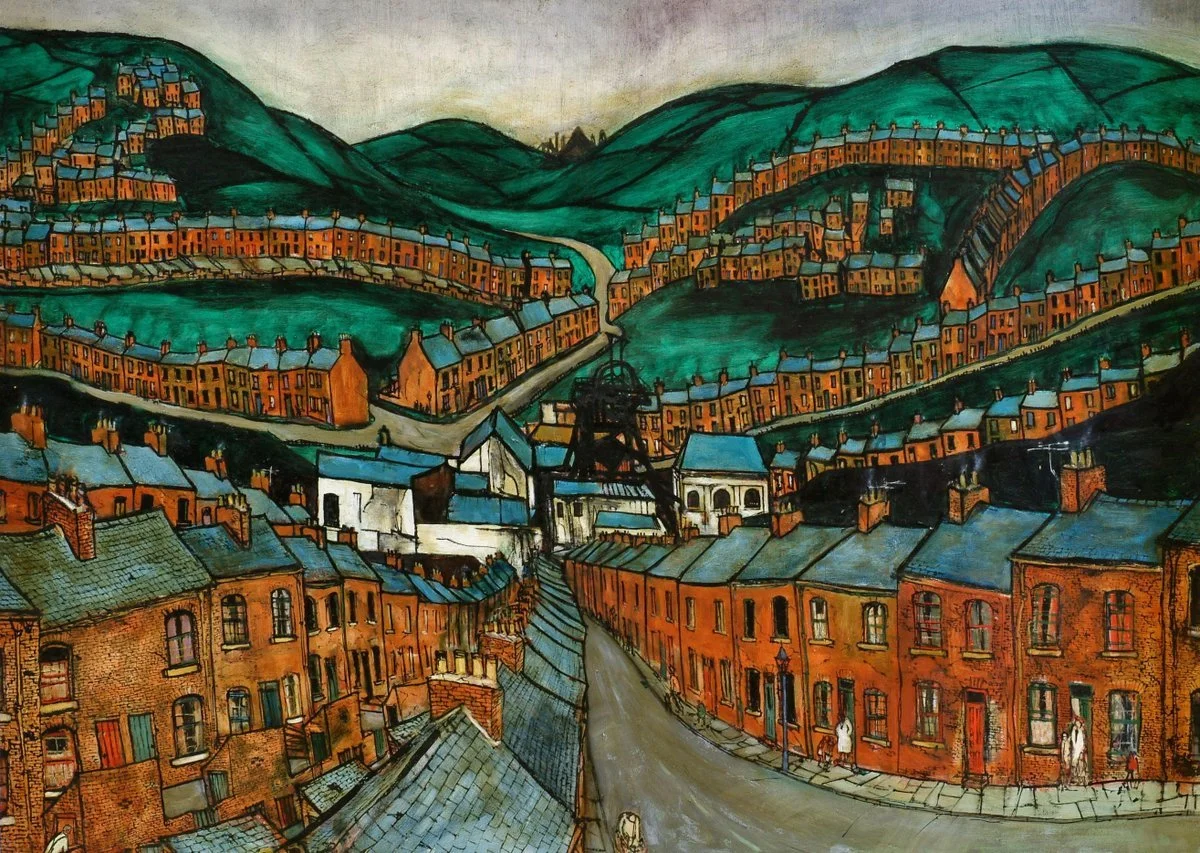
Modern British History
Why should we care about the history of Britain, and what do we mean when we say “Britain” anyway? These are questions that British historians have been debating for generations, and we will try to tackle them in this course. Arguably, Britain used to be the most powerful country in the world. One could say that it is the place where many of the ideas we live with today came to be – liberalism, empire, capitalism, racism, and on and on all have their roots in British history. Moreover, Britain has a special influence over the culture, politics, and legal system we live with in the United States. It used to be obvious that American students should learn British history. But today, Britain exists as an increasingly unstable and inward-looking entity with diminishing global influence. Is it a nation-state, part of Europe, a former empire, a kingdom? Through an investigation of modern British history, we will try to square this circle together.
This course insists that studying British history is important not because it matters more than any other national, transnational, or thematic history we could cover together. Rather, it frames British history as a place where we can ask questions about the usefulness of thinking of history as national at all – and so we will explore moments where talking about “Britain” makes sense and moments where it doesn’t make sense. We will ask who is included in various definitions of Britishness, when, and why. We will consider Britain’s global influence, its empire, and the legacies of that empire. We will think about its cultural exports and its internal divisions. We will try to understand experiences as they were defined by class, gender, race, sexuality, and more, and we will think about how these experiences were shaped by British history, and also by other histories. My hope is that you will come away from this semester with questions – not answers – about how history should be framed, taught, and understood. A class on modern Britain is just one way for us to ask these questions.
AT ISU, HIS 232.
-
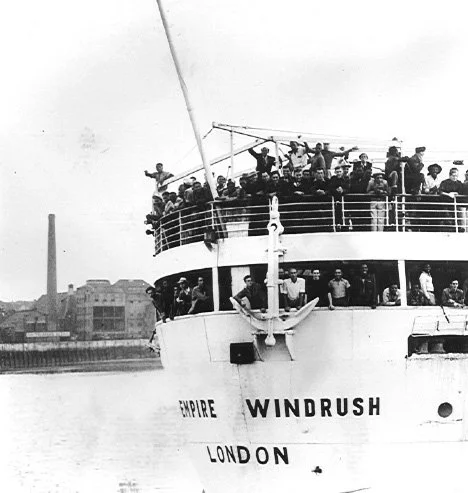
From 1776 to Brexit: The Making and UnMaking of the British Empire
WHAT DID IT MEAN TO BE BRITISH? At its peak, one fourth of the world’s population lived under the influence of the British empire. This class considers what life was like for British citizens and subjects as the empire transformed over the course of three centuries of connection, oppression, and anti-colonial resistance. We will pay particular attention to the ways that understandings of race, gender, and Britishness evolved in and were shaped by people’s experiences of imperialism over time and in different places.
Our class charts the British story from the mid-eighteenth century to the recent “Brexit” vote to leave the European Union. All the while, we will focus on the question of how both citizens and subjects negotiated what it meant and still means to be British, and on how the answer to this question has always been up for debate. In order to study such a vast history, we will read accounts of the making and un-making of empire written by or about individual people in an effort to understand how big historical forces – things like race, class, gender, capitalism, and imperialism – shape individual lives, and how individual people can shape big historical forces in turn.
At ISU, HIS 369.
-
Graduate Seminar: Masculinity in Comparative Perspective
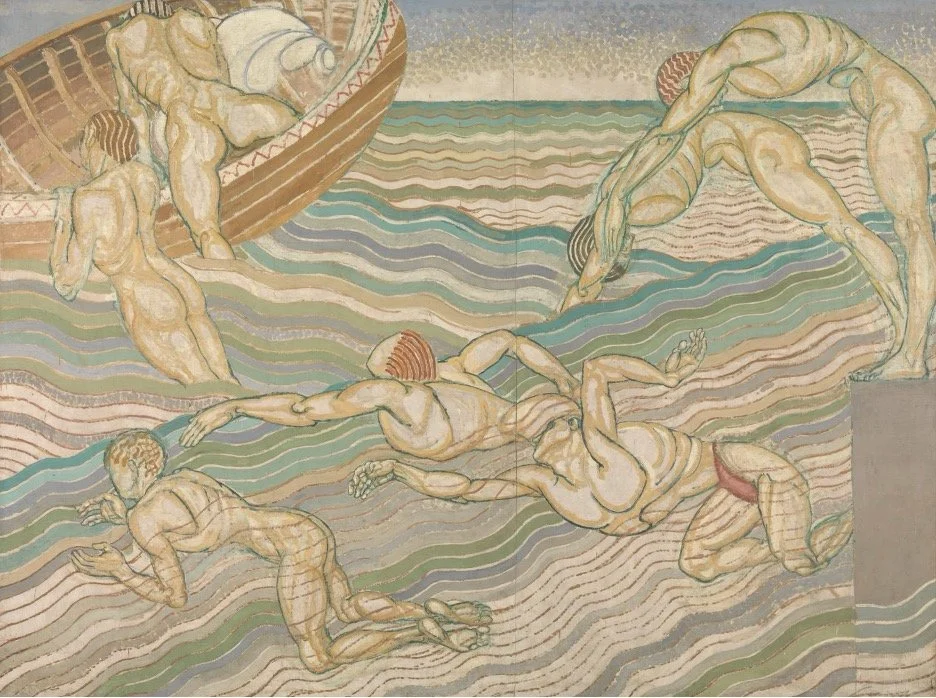
What does it mean to be masculine? This reading seminar approaches the history of gender and sexuality by focusing on masculinity and how it was defined, reenforced, challenged, and experienced in multiple historical contexts. We will focus mainly on the nineteenth and twentieth centuries, and largely on European histories – although we will also consider other examples from around the world. Each of our readings attempts to understand how gendered ideas about what it meant to be a man were shaped by institutions such as states, militaries and war, sport, parenthood, and regimes of sexual difference. At the same time, they investigate human experience and what it means to live under the influence of gendered ideologies that define masculinity, manhood, and men themselves in particular ways.
In this class we will read key theoretical works that explore these questions, and then consider how historians have incorporated the ideas, methodologies, and approaches proposed in these works into their analyses of historical masculinities. Through our shared readings, we will work to understand how masculinities – both in idealized forms and lived experiences – were constructed, how they have changed, and how they might still evolve.
At ISU, HIS 402.
-
Europe in the 19th Century: People and Power
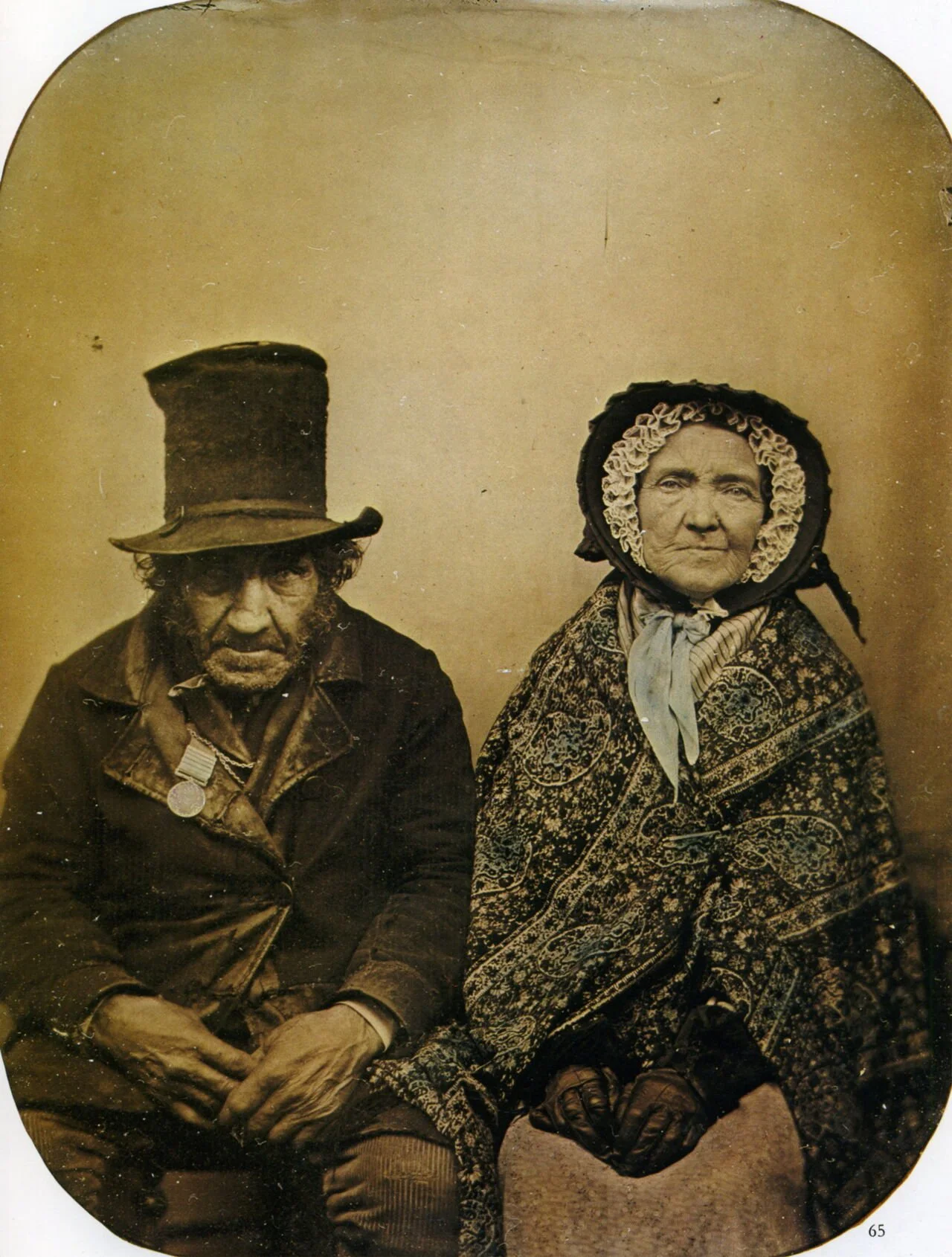
WHY DOES NINETEENTH CENTURY HISTORY MATTER? The nineteenth century was defined by contests over power and to whom it belonged. It was a time of revolutions and restorations, major social and cultural changes, and the development of nations and empires. While it might seem distant to us now, the history of Europe in the nineteenth century fundamentally shaped the world we live in today. Liberalism and conservatism, socialism and imperialism, and modern racism and feminism all have their roots in this tumultuous century. Using approaches from social and cultural history, as well as political history, military history, and the history of technology, we will watch debates over power happen, and seek to understand their legacy.
This course also invites students to think about power in another way, and to consider the power that historians have to shape the way history is told. We will learn to analyze the evidence from which history is written, and to use that evidence to tell convincing, compelling stories that people want (and need) to hear. Throughout the semester we will learn from, analyze, and critically consider different wats to produce and share history with audiences outside the academic bubble of our college campus. Through their work, every student in this class will become a public historian and develop a final project that aims to educate members of the public about an important event, moment, or theme in nineteenth century history.
AT ISU, HIS 228.
-
Senior Thesis Seminar: Everyday Empire
This senior thesis writing seminar is the culmination of your scholarly career in the History Department – you will design, write, revise, and present a senior thesis on a topic that you choose related to the subject of our seminar. Through this process, you will become historians in your own right, produce new knowledge and arguments about the past, and engage in the collaborative process of research and writing. Together, we will focus on two big methodological areas: evidence (and the primary sources that contain evidence) and arguments (and the secondary sources that present them).
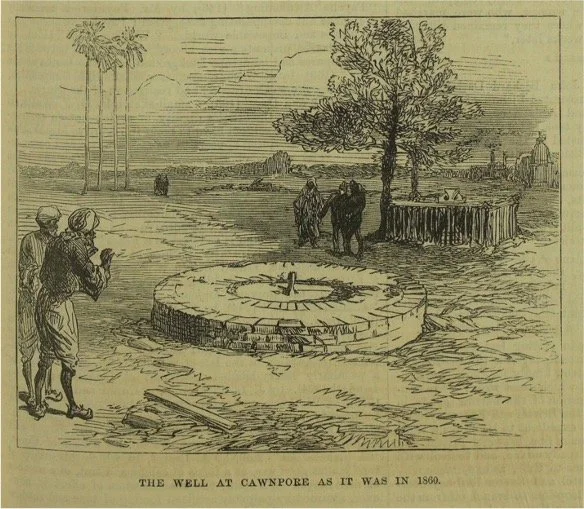
Our seminar (and your research papers) will focus on the social and cultural histories of nineteenth century empire. The politics of the nineteenth century were dominated by the rise of European empires around the globe, but empire also reached into the social and cultural worlds of everyday people. This seminar investigates the ways that empire shaped European’s own conceptions of themselves and will cover topics such as shifting understandings of race and gender, the development of colonial and metropolitan policing, representations of empire in exhibitions and literature, and empire’s influence on art, food, clothing, and more. We will also consider different theoretical approaches to the relationships that developed between colonized and colonizing places, and cover major debates in the field of imperial history. Students will research, develop, and write their own papers on a topic they choose related to the history of “everyday empire.”
At ISU, HIS 300.
-
Graduate Seminar: The Family in European History
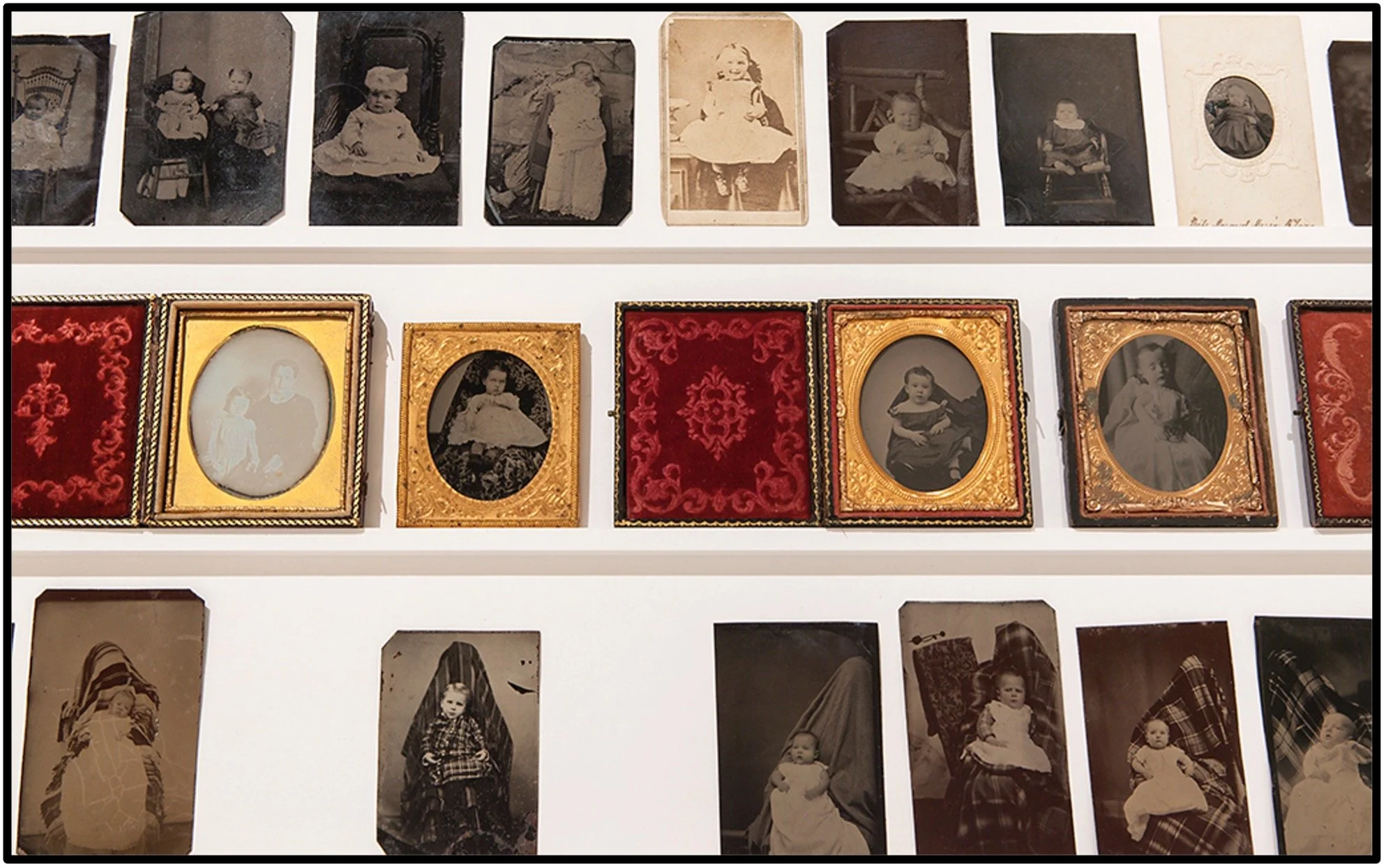
This graduate seminar will explore family history – or rather, the history of the family – in modern Europe, and especially in Britain and in the British empire. Genealogy and family history have long been treated by the history profession as non-serious enterprises undertaken by history enthusiasts. But family history is often the primary and even the only way many people engage with and learn about the past. This is more true than ever as 23andMe, Ancestry.com, and other consumer-focused family history services proliferate. Meanwhile, some historians of women, gender, childhood, and the state have taken the history of the family as a serious subject of study and have produced important work on this topic across a variety of different fields.
So then, why does the feeling that family history isn’t serious persist despite developments in scholarship and massive public interest? What can historians accomplish by focusing on the history of the family? How can the fields of genealogy and academic history learn from and inform each other? In this reading seminar we will explore these big methodological questions while also reading various works of academic history that treat the history of the family in the context of Europe and especially the British empire. We will ask: how has the family, parenthood, childhood, and gender changed over time? How were families shaped by the historical trajectory of Britain’s state, and Britain’s empire? What can focusing on the history of the family reveal about the histories of these systems?
At ISU, HIS 402.
-
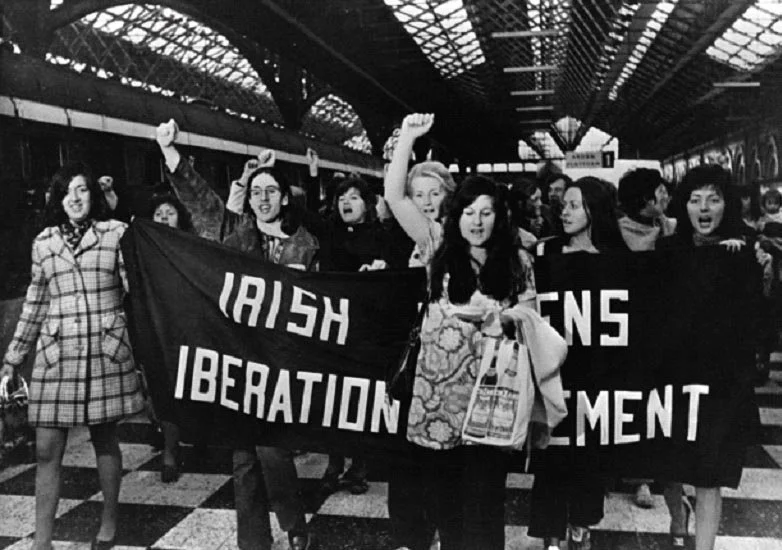
Western Civilization from 1500 to Now
This class is an introduction to doing history at the college level – we will focus on thinking critically about how history is written and remembered, interrogate the kinds of evidence historians use, and learn how to construct a historical argument. Our vehicle for developing these skills is the “western civilization” course – but “western civ” is a problematic narrative that is often told about the steady progress European peoples experienced throughout their history. We will question and interrogate this story by paying attention to moments when Europe failed to live up to this promise. We begin our course in about 1450 with the Italian Renaissance and trace the development of several major themes into the late 20th century. These themes include the relationship between religion and nationalism, the development of imperialism and the rise of the nation-state, the rise of urbanization and industrialization, and gender, war, and citizenship. All the while, we will critically consider the shifting ways Europeans understood themselves as “western” – often with the help of ideologies we still live with today, including gender, race, and “otherness.”
At ISU, HIS 102.
-
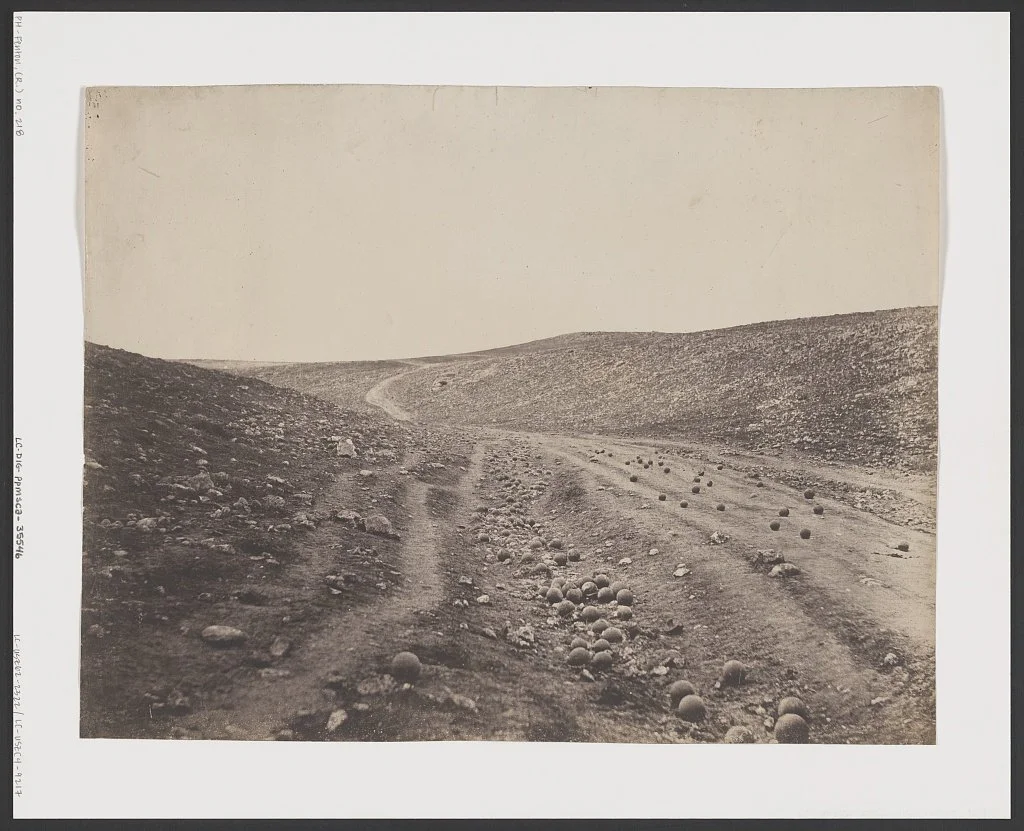
Images of War in History, Media, & Literature
WHAT IS A WAR, AND WHO GETS TO DECIDE? This class explores images of war generated by historians, writers, artists, filmmakers, and journalists in order to consider what motivates representations of violence and conflict and how these images shape public and individual consciousness.
We will consider a range of 19th and 20th century wars and the debates that surrounded them in order to explore the difference between experience and remembrance, the role of politics, nationality, and gender in representations of war over time, and the effects of combat on those involved.
You will meet an English-Jamaican nurse who argued with Florence Nightingale, a group of young art students in London who must decide whether or not to serve in WWI, a UW student who fought and died for democracy in the Spanish Civil War, and veterans of America's current wars in Iraq and Afghanistan.
At ISU, HIS 338.
-
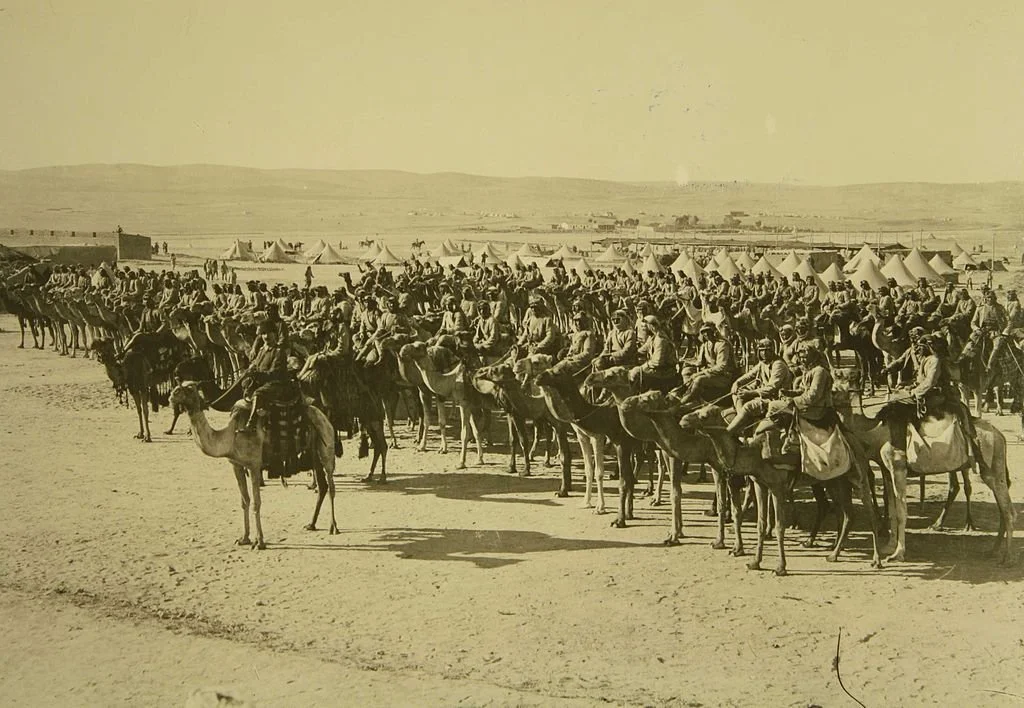
Digital World Wars
The First and Second World Wars were human-made catastrophes that engulfed the globe and killed upwards of eighty million people, including tens of millions of civilians. Each war remade the world. Their aftershocks reverberate today and continue to shape global politics. This class explores the history of both wars, focusing on military technology, ethics, racism, empire, gender and sexuality, and social history. We will use digital methods to uncover and share stories from the wars that shaped the modern world. No prior tech experience needed.
Together we will (a) investigate the histories of World Wars I and II, introducing students to major narratives and questions along the way, and (b) use and evaluate digitized historical data and the data science and digital humanities tools that can be used to analyze and represent the World Wars to an audience outside of our class.
Learn more about this class (and see a syllabus and DH workshop instructions) by visiting the course website.